By Aya Hashem Taleb, Pharam D, MSc
Reviewed on 16 October 2026
Published on 05 November 2026
Abstract
Fibermaxxing describes deliberate efforts to increase dietary fiber intake and offers an opportunity to communicate established nutritional advice. However, the language of maximization can obscure differences between fiber types, the limits of current evidence, and individual tolerance. This narrative review examines intake recommendations, physiological mechanisms, cardiometabolic and colorectal outcomes, and practical considerations for adults. A targeted, non-systematic literature check prioritized authoritative guidelines, systematic reviews, meta-analyses, and selected mechanistic studies. The World Health Organization recommends at least 25 g/day of naturally occurring dietary fiber for adults. Fiber properties, including viscosity and fermentability, influence bowel function, nutrient handling, microbial metabolism, and short-chain fatty acid production. Intervention studies support improvements in selected glycemic and lipid measures, whereas prospective studies associate higher intake with lower cardiovascular disease, colorectal cancer, and mortality risks. These associations do not establish the benefit of indiscriminately increasing intake or using concentrated supplements. Fermentable fiber may influence endogenous glucagon-like peptide-1 secretion, but human responses are heterogeneous and do not establish equivalence to receptor agonist therapy. Practical counseling should prioritize varied plant foods, gradual increases, gastrointestinal tolerance, and product-specific precautions for supplements. Fibermaxxing is most defensible when translated into adequate, sustainable intake rather than an unrestricted pursuit of higher amounts.
Keywords dietary fiber; fibermaxxing; gut microbiota; short-chain fatty acids; GLP-1; cardiometabolic health
Introduction
The informal label fibermaxxing frames increasing dietary fiber intake as an intentional dietary goal. Its appeal creates an opportunity to explain a recommendation that long predates the term: carbohydrate quality and adequate fiber intake are important components of a healthy dietary pattern. The World Health Organization (WHO) recommends obtaining carbohydrates primarily from whole grains, vegetables, fruits, and pulses, with at least 25 g/day of naturally occurring dietary fiber for adults.[1] A broad synthesis of prospective studies and clinical trials supports the relevance of fiber to several noncommunicable disease outcomes and risk factors.[2]
The central question is how this message should be communicated without implying that the largest possible intake is the healthiest. Fiber is a heterogeneous dietary component, and findings for particular foods, preparations, or physiological mechanisms cannot be applied indiscriminately to every product. This review considers the evidence behind the main health claims associated with fibermaxxing and translates it into practical advice for adults.
Scope and approach
This focused narrative review draws on a targeted, non-systematic literature check completed on 5 November 2026 using PubMed-indexed publications, publisher records, and official guidance and labeling sources. Search concepts combined dietary fiber or fibre with intake recommendations, microbiota, prebiotics, short-chain fatty acids, GLP-1, diabetes, cardiovascular disease, colorectal cancer, mortality, and psyllium safety. Reference selection prioritized authoritative guidelines and evidence syntheses relevant to these topics, supplemented by primary mechanistic research and Lebanese dietary surveys. The review does not include a registered protocol, duplicate screening, a formal risk-of-bias assessment, or a new meta-analysis. It therefore provides a selective clinical interpretation rather than an exhaustive systematic review or an evaluation of fibermaxxing as a standardized intervention.
Recommended intake and the Lebanese context
The WHO recommendation of at least 25 g/day applies to naturally occurring fiber as consumed in foods; it should not be interpreted as a target dose for a supplement.[1] Other reference systems account for energy intake, age, and sex. The Institute of Medicine established an adequate intake of approximately 14 g/1,000 kcal, corresponding to commonly cited values of 25 g/day for women and 38 g/day for men aged 19–50 years.[3] These reference values describe different frameworks and populations; they are not interchangeable thresholds for diagnosing an individual deficiency.
Lebanese surveys provide useful context but require careful interpretation. Nasreddine and colleagues documented substantial changes in food and nutrient intake between the 1997 and 2008/2009 national surveys.[4] The updated LEBANON-FCS, reported by Hoteit and colleagues in 2024, assessed 444 adults aged 18–64 years and identified concerns about overall diet quality. Fiber intake varied across age and sex groups, and some reported group means met the study’s comparator values.[5] These data support attention to dietary quality and subgroup differences, rather than a claim that every Lebanese adult consumes insufficient fiber.
Fiber properties and gastrointestinal function
Dietary fiber includes nondigestible carbohydrate components and associated substances that differ in structure and physiological effects.[3,6] The familiar distinction between soluble and insoluble fiber is useful, but viscosity, water-holding capacity, particle characteristics, and fermentability often better explain an individual preparation’s effects. Solubility alone does not establish whether a fiber will form a gel or be extensively fermented. The principal pathways are illustrated in Figure 1.
Some fibers retain water and increase fecal bulk, influencing stool consistency and intestinal transit. Viscous fibers can form gels that alter nutrient movement and absorption; effects on gastric emptying and postprandial glycemia depend on the preparation and meal context.[2,6] Clinical effects also vary by indication. The 2023 joint American Gastroenterological Association and American College of Gastroenterology guideline conditionally suggests fiber supplementation for chronic idiopathic constipation, with low-certainty evidence. Among the evaluated preparations, the clearest evidence was for psyllium; data for bran and inulin were limited and uncertain.[7] This recommendation does not establish equivalent efficacy for all fiber supplements.
Prebiotics and microbial fermentation
A prebiotic is a substrate selectively used by host microorganisms that confers a health benefit. This definition requires evidence of benefit mediated through microbial activity; dietary fiber and prebiotic are therefore overlapping concepts rather than synonyms.[8] Fermentable fibers provide substrates for microbial metabolism in the colon, generating short-chain fatty acids (SCFAs), principally acetate, propionate, and butyrate. Butyrate is an energy substrate for colonocytes and participates in signaling relevant to epithelial barrier and immune function.[6]
A systematic review and meta-analysis of 64 intervention studies involving 2,099 healthy adults found increased fecal abundance of Bifidobacterium and Lactobacillus species, particularly with fructans and galacto-oligosaccharides. The pooled increase in fecal butyrate was small, with a confidence interval reaching the null, and there was no overall improvement in microbial alpha diversity.[9] Changes in selected taxa should not be treated as a direct measure of clinical benefit. Microbial responses depend on the fiber substrate and the existing microbial community; the evidence does not support promising a uniformly “healthier microbiome” from every high-fiber product.
Dietary fiber and incretin signaling
Glucagon-like peptide-1 (GLP-1) is an enteroendocrine hormone involved in glucose-dependent insulin secretion, suppression of glucagon, gastric emptying, and appetite regulation.[10,11] Fermentation offers one route by which fiber may influence this system. In primary murine colonic cultures and animal models, SCFAs stimulated GLP-1 secretion through signaling involving free fatty acid receptors, with experimental support particularly for FFAR2; FFAR3 is also expressed in L cells.[10] These findings establish biological plausibility, but their clinical magnitude cannot be inferred directly from laboratory models.
The human evidence is more variable. A 2026 scoping review included 49 publications comprising 52 studies and 1,085 participants; 71% were acute interventions, and the median study sample was 19. Responses in GLP-1 and subjective satiety differed across fiber categories and study designs.[11] These short and heterogeneous studies do not establish durable weight loss or a reliable clinical strategy for increasing GLP-1. They also do not demonstrate that dietary fiber can reproduce the efficacy of GLP-1 receptor agonists or replace indicated therapy. The distinction between a plausible endocrine pathway and a proven treatment effect is essential when explaining this mechanism.
Glycemic control and diabetes
Fiber may affect glucose regulation through delayed nutrient absorption, changes in meal structure and satiety, and microbial metabolism. In a systematic review of higher-fiber diets in adults with prediabetes or diabetes, 42 controlled trials included 1,789 participants. The pooled mean difference in glycated hemoglobin was −2.00 mmol/mol (95% confidence interval [CI], −3.30 to −0.71), and fasting plasma glucose was lower by 0.56 mmol/L (95% CI, −0.73 to −0.38). Improvements were also reported in several lipid and insulin-resistance measures.[12] Selected estimates are presented in Figure 2.
These findings support fiber as part of comprehensive diabetes care. Their interpretation is limited by substantial heterogeneity and the scarcity of long-term controlled trials. The populations included different diabetes types and prediabetes, so the pooled results are not exclusively estimates for type 2 diabetes.[12] Separately, prospective evidence associates diets richer in fiber and whole grains with a lower incidence of type 2 diabetes.[2] Prevention associations and treatment effects on glycemic markers should be presented as distinct lines of evidence.
Cardiovascular outcomes and lipids
Prospective studies consistently associate higher total fiber intake with lower cardiovascular risk. In a dose–response meta-analysis, each additional 7 g/day was associated with a relative risk of 0.91 for cardiovascular disease (95% CI, 0.88–0.94) and 0.91 for coronary heart disease (95% CI, 0.87–0.94).[13] These correspond to approximately 9% lower relative risks within the studied populations, not a 9-percentage-point absolute reduction or a guaranteed effect for an individual.
Trials provide complementary evidence for specific risk factors. A meta-analysis of 28 randomized trials involving 1,924 participants found that psyllium, at a median dose of approximately 10.2 g/day, reduced low-density lipoprotein (LDL) cholesterol by 0.33 mmol/L (95% CI, −0.38 to −0.27).[14] Viscous fibers can modify bile acid handling and cholesterol metabolism, although the size of the effect varies by preparation.[6,14] An effect on LDL cholesterol is clinically relevant but does not by itself prove fewer cardiovascular events. Conversely, cohort associations remain susceptible to differences in smoking, physical activity, socioeconomic factors, and overall dietary patterns.
Colorectal cancer
The strongest cancer-related case for dietary fiber concerns colorectal cancer. A dose–response meta-analysis of prospective studies reported a relative risk of 0.90 per additional 10 g/day of total dietary fiber (95% CI, 0.86–0.94).[15] The World Cancer Research Fund evaluates foods containing dietary fiber as protective against colorectal cancer within its evidence-based prevention recommendations.[16] The appropriate message is specific to the outcome and food context; it does not justify describing fiber as a universal cancer-prevention intervention.
Proposed mechanisms include increased stool bulk, changes in intestinal transit and luminal exposures, and fermentation-derived metabolites such as butyrate. Experimental findings involving inflammation, cell proliferation, and apoptosis provide mechanistic context, but they do not quantify the effect of a particular supplement in humans.[15,16] Dietary advice should therefore remain part of an overall prevention strategy rather than be presented as an alternative to established colorectal cancer screening.
Mortality and interpretation of long term associations
An updated meta-analysis of 64 prospective studies, including approximately 3.51 million participants, associated higher total fiber intake with lower all-cause mortality (pooled hazard ratio [HR], 0.77; 95% CI, 0.73–0.82), cardiovascular mortality (HR, 0.74; 95% CI, 0.71–0.77), and cancer mortality (HR, 0.78; 95% CI, 0.68–0.87).[17] These are higher-versus-lower intake comparisons across studies, not estimates for a universal prescribed daily increment.
Such results are consistent with broader syntheses, including a 2025 umbrella review, but they should not be translated into a claim that fiber alone extends life.[18] High-fiber diets include whole grains, legumes, fruits, vegetables, nuts, and seeds, which supply many other nutrients and bioactive compounds. Residual confounding, dietary measurement error, differences in food sources, and variation in the categories used to define high and low intake limit causal interpretation. The consistency of the findings supports attention to dietary patterns while leaving uncertainty about the independent contribution of any single fiber preparation.
Food sources and practical implementation
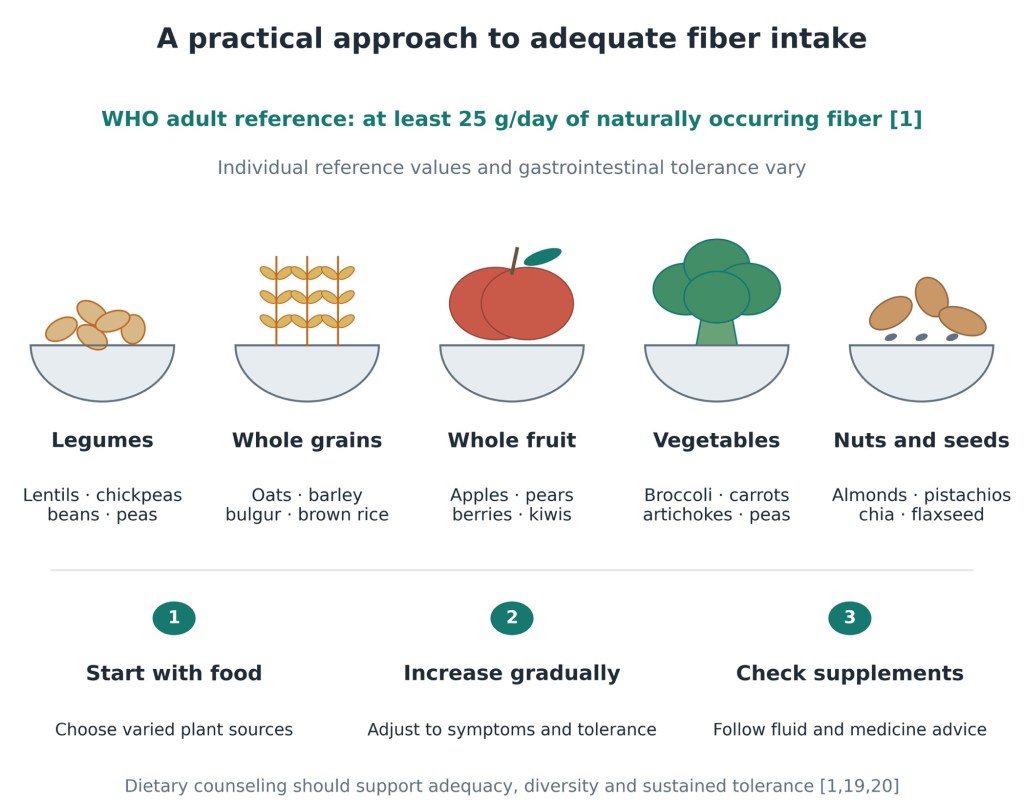
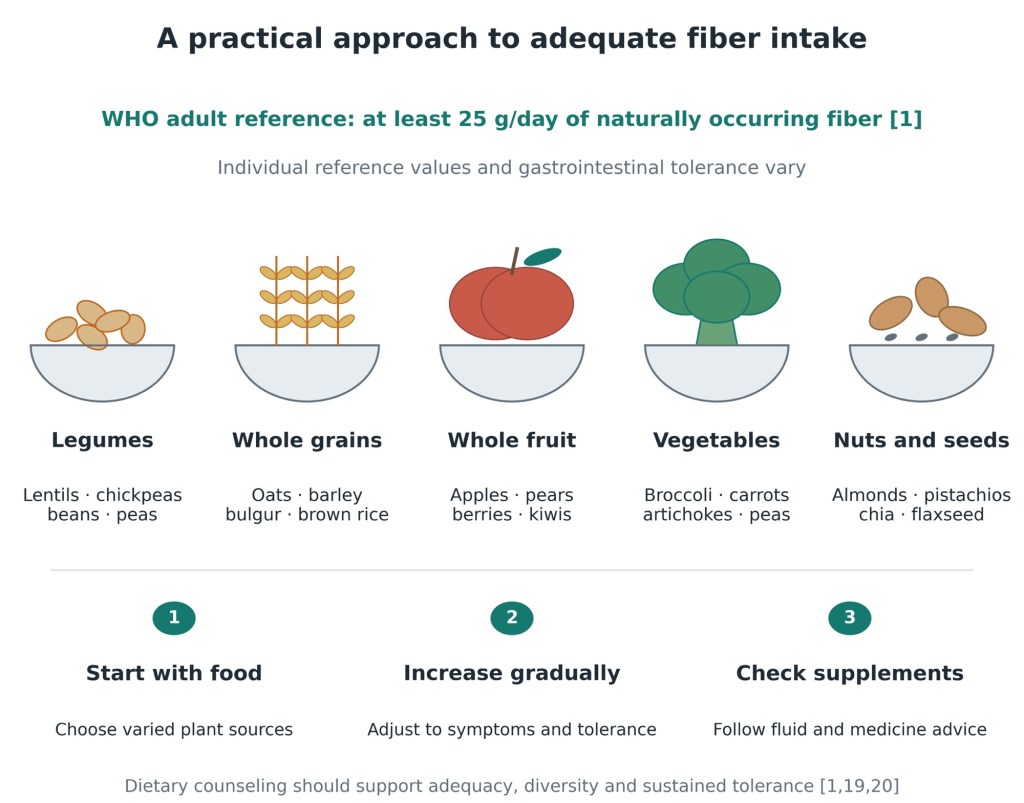
Increasing fiber intake can begin with familiar foods. Legumes include lentils, chickpeas, beans, and peas; whole-grain options include oats, barley, bulgur, whole-wheat products, and brown rice. Whole fruits such as pears, apples, berries, kiwis, and oranges provide fiber alongside micronutrients and phytochemicals. Artichokes, broccoli, carrots, peas, and potatoes eaten with their skin are useful vegetable sources. Chia seeds, flaxseed, almonds, pistachios, and avocado can also contribute. The WHO guidance supports obtaining naturally occurring fiber through a range of plant foods.[1]
A practical discussion should address the person’s current intake, preferred foods, and gastrointestinal symptoms. Replacing some refined grain products with whole-grain options and including legumes, vegetables, and whole fruit across meals can make the recommendation easier to sustain. Variety provides different fiber structures and a broader range of nutrients; it should not be promoted as a guarantee of a particular microbial composition. Figure 3 summarizes an approach centered on food choice, gradual change, and tolerance.
Supplements may have a role when a specific clinical indication or dietary gap justifies their use. Their effects depend on the fiber preparation, dose, and outcome of interest. Evidence for psyllium in constipation or LDL reduction should not be extrapolated to every isolated fiber, nor should the food-based WHO recommendation be converted directly into a supplement dose.[1,7,14]
Tolerance and supplement precautions
A sudden increase in intake, especially of highly fermentable preparations, can produce bloating, flatulence, abdominal discomfort, and changes in bowel habits. Intake should generally be increased gradually and adjusted to symptoms. Gastrointestinal diagnoses also matter. The American College of Gastroenterology recommends soluble fiber for global irritable bowel syndrome symptoms, whereas insoluble fiber does not have the same supporting evidence.[19] An undifferentiated instruction to consume more fiber can therefore be unhelpful for a symptomatic patient.
Bulk-forming products require attention to fluid and swallowing precautions. For example, a current US psyllium capsule label instructs use with at least 8 ounces, approximately 240 mL, of fluid and warns that inadequate fluid may cause swelling, esophageal blockage, and choking. It advises against use in people with difficulty swallowing.[20] These product-specific instructions should be checked before use, particularly where fluid intake is restricted or swallowing is impaired.
The same label advises separating the product from prescription oral medicines by at least 2 hours before or after administration because bulk fibers may affect how medicines work.[20] This is a labeling example, not a universal spacing interval for all fibers and drugs. The relevant medicine and supplement information, together with pharmacist advice, should determine the plan. The practical objective is an adequate intake that remains tolerable and appropriate for the individual.
Evidence limitations and research priorities
This narrative synthesis is selective, and its reference search and appraisal were not systematic. It may overrepresent well-studied outcomes and English-language publications. The underlying literature also combines food-based exposures, whole dietary patterns, and isolated supplements that are not biologically or clinically interchangeable. Trial results commonly concern intermediate markers, while evidence for long-term disease incidence and mortality is largely observational. An informal social-media label does not resolve these differences or define a reproducible intervention.
Further research should test specific fibers and food-based strategies over longer periods, report adherence and adverse effects, and distinguish clinical outcomes from microbial or hormonal markers. For the GLP-1 pathway, studies need sufficient duration to capture adaptation and assess whether changes in secretion translate into sustained appetite or metabolic effects.[11] Research on communication should also examine whether messages centered on adequacy improve dietary behavior without encouraging poorly tolerated intake or unnecessary supplementation.
Conclusion
Fibermaxxing can serve as an entry point for discussing established dietary advice, provided that its message is translated into adequate intake from varied foods. Specific fibers improve selected bowel, glycemic, and lipid outcomes, and higher dietary intake is associated with lower cardiovascular disease, colorectal cancer, and mortality risks. Emerging microbiome and GLP-1 mechanisms add biological context but require cautious clinical interpretation. Effective counseling should prioritize food quality, gradual increases, individual tolerance, and appropriate supplement use. The goal is sustained adequacy rather than unrestricted maximization.
References
Figure 1 Fiber properties and physiological pathways
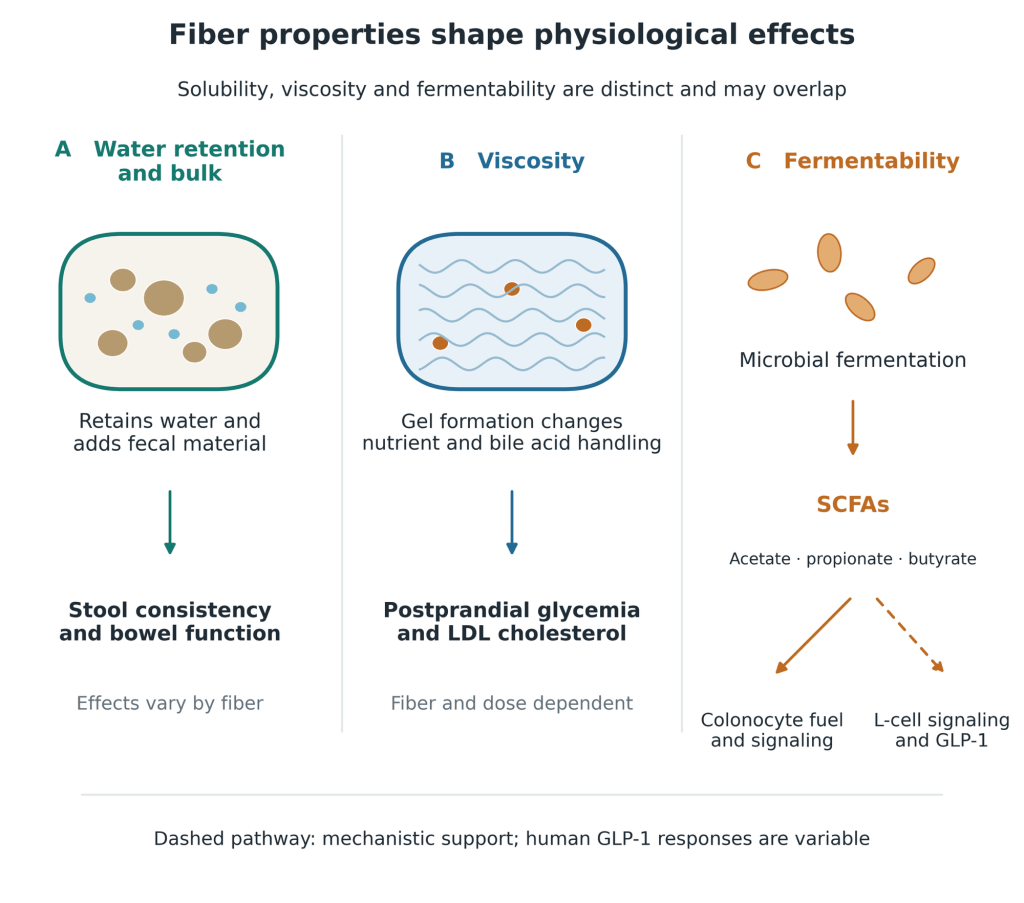
Figure 2 Selected trial estimates and cohort associations
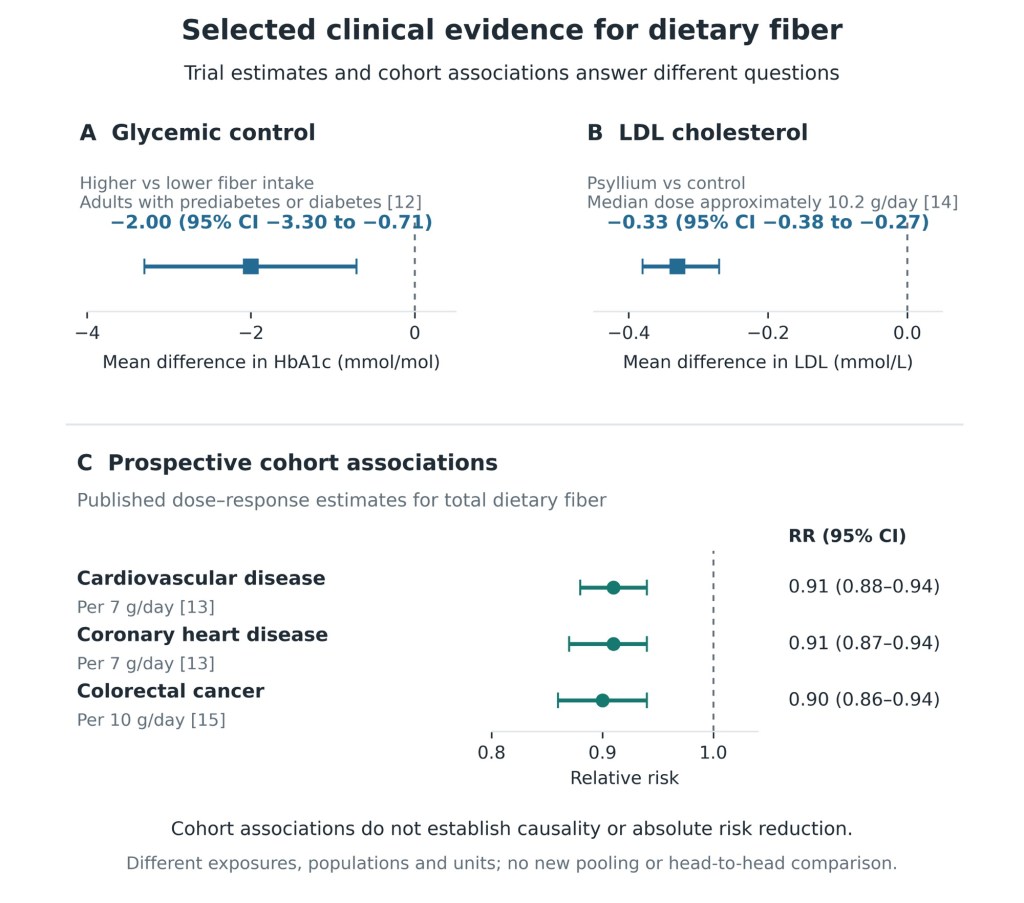
Figure 3 Food sources and implementation principles


Leave a Reply